
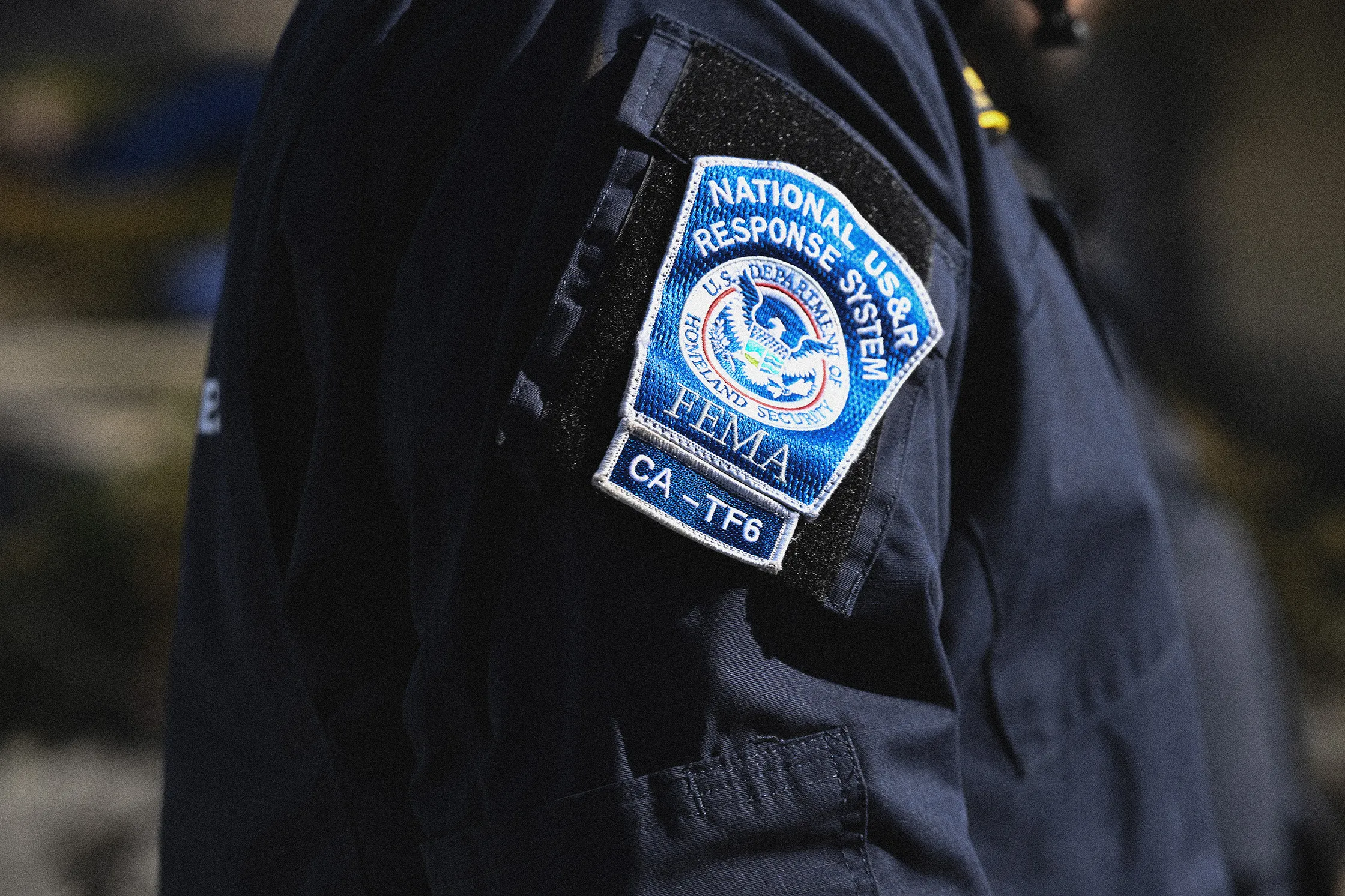
As the end of the year approaches, the policy dustup regarding the future of FEMA seems to be as vigorous as it was when White House Executive Order 14180 announced the formation of a “Council to Assess the Federal Emergency Management Agency” back in January1. That E.O. called for a “full-scale review, by individuals highly experienced at effective disaster response and recovery, who shall recommend to the President improvements or structural changes to promote the national interest and enable national resilience.”
Unfortunately, the November 16, 2025 due date for that report passed, with the council cancelling last week’s meeting to approve it after months of rumors and partisan wrangling about the nature of leaked drafts. However, between existing and proposed budgets and legislation, as well as Trump administration declarations, the broad brush of FEMA’s future can be seen.
Of particular importance is the Robert T. Stafford Disaster Relief Fund (DRF), which is formula-based with the allocable portion poised to grow from $19 billion (FY 2024) to $25 billion (FY 2026). The DRF, representing 73% of FEMA’s total budget, is distributed to states and localities after disaster declarations2. Vendors with an interest in state and local disaster response, recovery, readiness, and mitigation efforts should expect business as usual with some changes at the margins.
GovSpend users can track historical and projected DRF allocations across states and local agencies to identify where disaster-related funding has consistently flowed and where future opportunities are most likely to emerge following disaster declarations.
Regarding potential changes to FEMA, the House Committee on Transportation and Infrastructure passed the “Fixing Emergency Management for Americans (FEMA) Act of 2025” (H.R. 4669) in July on a strongly bipartisan 57-3 vote. The legislation would restore FEMA to a cabinet-level agency as it was in the late 1990s. It would also:
- Expedite rebuilding processes by creating project-based grants that would allow states to “set the pace of recovery, reduce their dependence on costly consultants, and prioritize the highest need projects.”
- Create a block grants program for small disasters.
- Establish incentives for states to improve their disaster resilience, making them eligible for 85% federal cost share, as opposed to the regular 75%3.
The House committee legislation shows that Congress wanted to get out in front and set its own course for reforms, which seem to meet the spirit of what the council was tasked to do. At any rate, proposed changes are not likely to be implemented before FY 2027. In the meantime, vendors should focus on orienting their offerings around disaster resilience, which will clearly be the driver of FEMA funding going forward.
GovSpend helps vendors align their offerings to this shift by surfacing related agency budgets, active contracts, and pre-solicitation signals tied to resilience, mitigation, and preparedness initiatives at the state and local level.
GovSpend’s Meeting Intelligence finds that only 1,500 agencies have been specifically discussing disaster and infrastructure resilience over the last twelve months. This indicates that it will take some time for the new federal mindset to permeate the market.
A great example of this sort of discussion is one held recently by the Pickens County (SC) council on December 12, 2025. Their discussion was prompted by the U.S. Chamber of Commerce’s report on how a $1.00 investment in natural disaster resilience and preparedness can prevent $33.00 in disaster-related losses.
This shows that vendors have time to get ahead of this market trend, as many more jurisdictions will be launching similar discussions in the near future. The specifics of federal reforms will be hashed out in the coming weeks as Congress and the White House are expected to converge on the core issues. Vendors that use GovSpend to monitor policy shifts, budget changes, and local government activity will be better positioned to anticipate demand and engage agencies as resilience priorities move from discussion to action.
- https://www.whitehouse.gov/presidential-actions/2025/01/council-to-assess-the-federal-emergency-management-agency/
- https://www.dhs.gov/sites/default/files/2025-06/25_0613_fema_fy26-congressional-budget-justificatin.pdf
- https://democrats-transportation.house.gov/news/press-releases/committee-leaders-introduce-bipartisan-bill-to-dramatically-reform-fema
About the Author: Chris Dixon